
Cricket Road Demo — Practice Timing Before Playing for Real
The Cricket Road demo gives you a chance to experience the game without any financial risk. The mechanics, controls, and difficulty settings are identical to the real version, but mistakes have no consequences. For many players, the demo is the most comfortable way to learn timing, experiment with strategies, and decide which game mode feels natural.
What Is the Cricket Road Demo?
The demo exists to help players understand the flow of the game before moving to real-play mode. It removes pressure and lets you explore how fast the ball moves, how quickly decisions must be made, and how the multiplier progresses. The experience is the same in terms of gameplay rhythm; only the stakes are removed.
Core Purpose of the Demo Version
The demo is designed as a training environment. You can start, stop, and restart as many times as needed, which helps build familiarity. Instead of worrying about results, the focus shifts to understanding timing and decision-making.
How the Demo Differs From the Full Version
The demo and the real version share the same visual layout, pacing, controls, and difficulty levels. The only difference is the absence of risk. This allows repetition and experimentation, which are important in a timing-based game.
Who Benefits Most From the Demo?
The demo suits several types of players:
- New players exploring the game for the first time
- Users practicing to improve timing consistency
- Players adjusting to mobile controls after desktop play
- Anyone testing new strategies or difficulty modes
It remains useful even after you understand the basics.
How the Demo Works
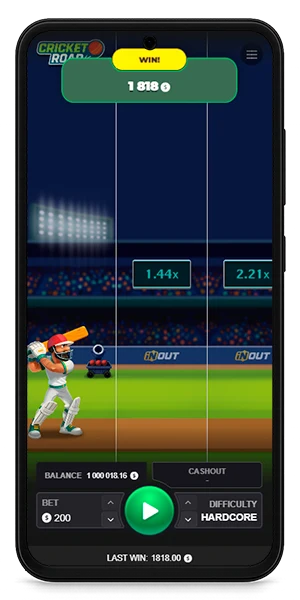
The demo starts immediately and does not require setup or account creation. Once started, the ball moves toward the strike zone, and your task is to tap at the correct moment. The game continues until a hit is mistimed.
Starting a Demo Session
There are no restrictions on the number of sessions. You can repeat rounds continuously to build rhythm. This repeatability is what makes the demo effective as a learning tool.
Controls and Timing Mechanics
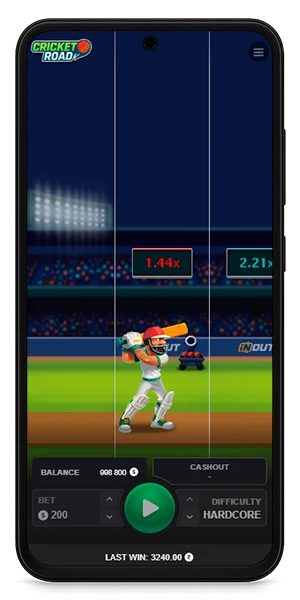
Cricket Road relies on single-tap input. The challenge is not learning complex controls but reacting at the right moment. Perfect timing extends the round, while an early or late tap ends it.
Understanding Round Flow
Every round is based on a simple cycle:
| Phase | Action |
| Ball approaches | Player prepares to tap |
| Hit or miss | Timing decides round continuation |
| Multiplier increases | Risk decision becomes increasingly important |
This pattern repeats and becomes familiar with practice.
Demo Difficulty Settings
The demo includes the same difficulty levels available in the main game. This makes it possible to practice under different pacing and pressure conditions.
Low and Medium Difficulty — Learning Rhythm
Lower modes feel slower and more forgiving. They are useful for:
- Observing ball movement
- Understanding the timing window
- Establishing reaction patterns
These settings help build a reliable foundation.
High and Extreme Difficulty — Challenging Yourself
Faster modes shorten the available reaction window. These settings are ideal when you already feel comfortable with timing and want to improve under higher speed and tension.
Switching Modes While Practicing
Players often switch modes during practice to compare how timing changes across speeds. This helps identify where accuracy drops and which mode feels most natural.
What You Can Learn From the Demo
The demo is not just a preview; it is a tool that teaches play style, timing rhythm, and reaction consistency. The more time spent practicing, the more predictable the game feels.
Recognizing Ball Speed Patterns
Ball speed increases predictably as difficulty rises. With practice, players begin to anticipate the change rather than react blindly.
Improving Reaction Time and Precision
Repeated tapping drills memory and reflexes. Over time, the motion becomes instinctive rather than calculated.
Developing a Cash-Out Strategy
Timing is important, but so is knowing when to stop. The demo makes it possible to experiment with early exits, long runs, or gradual progression without risk.
Why Practice First?
Even simple games benefit from familiarity. Practicing helps reduce hesitation and allows players to transition into real rounds with a clearer plan.
Avoiding Beginner Mistakes
Most early mistakes come from rushing or tapping randomly. After some demo practice, those errors become less common.
Building Confidence With Timing
Confidence develops once the player can predict ball movement rather than react nervously to it.
Playing With a Clear Strategy
With experience, decisions become intentional rather than spontaneous.
Tips for Getting Better Results in the Demo
While the demo is pressure-free, it still offers structure for improvement.
Timing Techniques to Try
Here are common practice techniques players use:
- Fixed pacing: tapping based on rhythm rather than visuals
- Visual anticipation: focusing on the ball’s path instead of the tap button
- Counting method: using mental timing intervals
Experimenting helps find what feels most natural.
Session Length and Break Strategy
Short sessions may work better than long continuous attempts. Taking short breaks prevents timing degradation caused by fatigue.
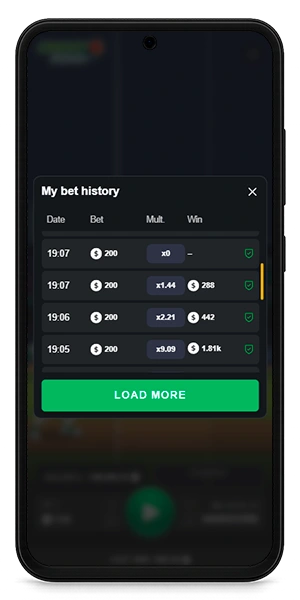
Tracking Improvement Over Time
Many players notice a difference after just a few sessions. Improvements show in consistency, reduced hesitation, and smoother decision-making.
Common Demo Player Habits
Demo sessions reveal useful and not-so-useful tendencies.

Productive Practice Behaviors
Players who benefit most from the demo usually:
- Practice in multiple difficulty modes
- Repeat short focused sessions
- Adjust timing techniques
These habits build skill.
Patterns That Slow Progress
Progress is slower when players:
- Tap randomly
- Switch modes without observing differences
- Rush without improving timing
Awareness helps avoid these habits.

Adjusting Play Style Based on Feedback
Timing feedback helps refine approach. If hits consistently miss early or late, small adjustments help recalibrate.
Transitioning From Demo to Real Gameplay
The demo prepares you for timed play, but knowing when to transition matters.
When Timing Feels Predictable
A good sign you are ready is when hits feel intentional rather than lucky.
Choosing Comfortable Difficulty Levels
Many players start real play in lower modes, even if they practiced faster ones. This helps complete the transition smoothly.
Carrying Lessons Forward
What you learn in the demo applies directly to full gameplay. Patterns remain unchanged.
FAQ
Do demo results affect real play?
No. Progress in the demo is separate and has no impact on real gameplay.
How long should I practice?
Practice as long as needed until hitting feels consistent.
Is the demo realistic?
Yes. Timing, pacing, and difficulty are identical to the real version.
Can I replay the demo endlessly?
Yes. There are no usage limits or restrictions.
Are difficulty modes the same as the full game?
Yes. Nothing is changed or simplified.
Can the demo help improve strategy?
Yes. Many players refine strategies through repeated practice.